
Advancing Offshore Wind Solutions for a Sustainable Future
- Home
- IP Marketplace
- Fuel & Energy Efficiency
- Advancing Offshore Wind Solutions for a Sustainable Future
Technology Overview
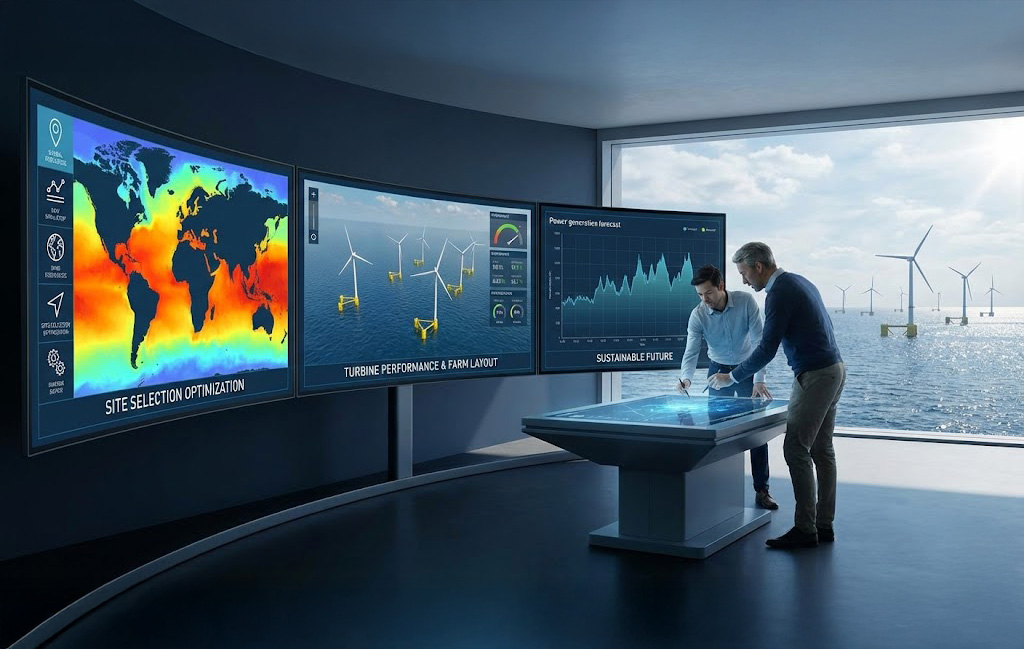
Advanced computational tools for offshore floating wind energy, optimizing site selection, turbine performance, and overall farm layout.
At the core of this capability is the use of the COAWST framework to analyse complex metocean conditions, enabling accurate wind farm site selection and power output forecasting.
High-fidelity Computational Fluid Dynamics (CFD) studies are conducted to validate turbine aerodynamics and structural performance under realistic environmental conditions.
CATEGORY
TECHNOLOGY READINESS LEVEL (TRL)
Advancing Offshore Wind for Sustainable Maritime Growth
-
De-risking Floating Offshore Wind Deployment:
Advanced metocean modelling using COAWST enables accurate site selection, wind resource assessment, and power output prediction, reducing uncertainty for floating wind investments in regional waters.
-
High-Fidelity Performance Validation:
CFD-based turbine and wake flow modelling improves performance accuracy and energy yield prediction, ensuring optimal turbine placement and reducing wake losses across wind farms.
-
Optimised Wind Farm Layout for Marine Environments:
Leveraging OpenFAST for multi-turbine interaction studies supports efficient layout design, balancing power generation with navigational safety and maritime traffic considerations.
-
Supports Marine & Offshore Industry Diversification:
Strengthens Singapore’s Marine & Offshore sector by enabling participation in floating wind engineering, digital modelling, and offshore asset optimisation, expanding beyond traditional oil & gas capabilities.
Maritime Use Cases

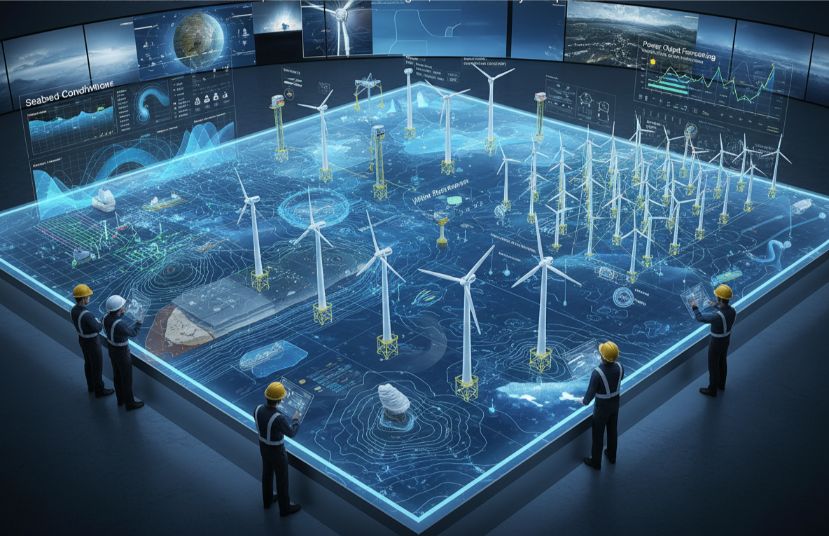
This technology provides advanced computational tools to support offshore wind farm planning and design by analysing wind, wave, current, and seabed conditions to identify suitable and safe locations for development.
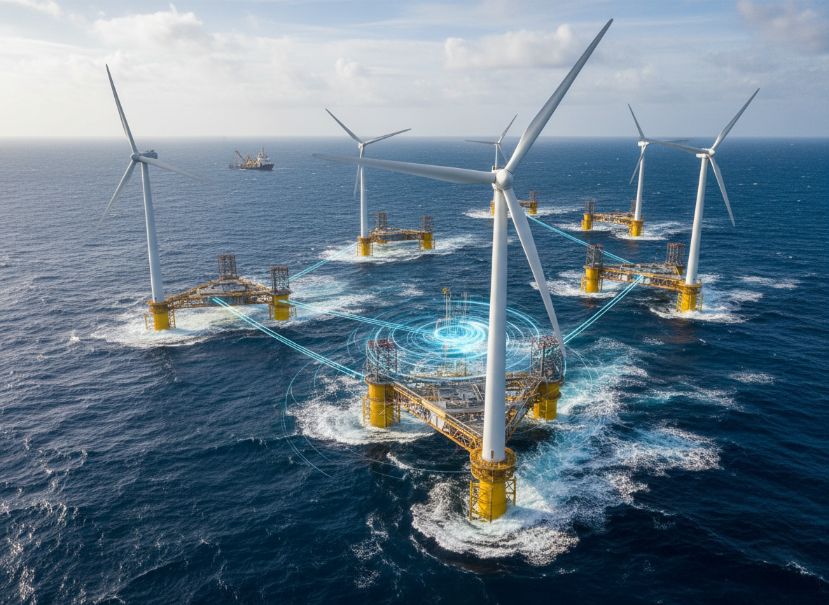
It can simulate turbine and floating platform performance to ensure structural stability and durability in harsh marine environments, while optimising wind farm layouts to maximise energy output and minimise conflicts with shipping lanes.
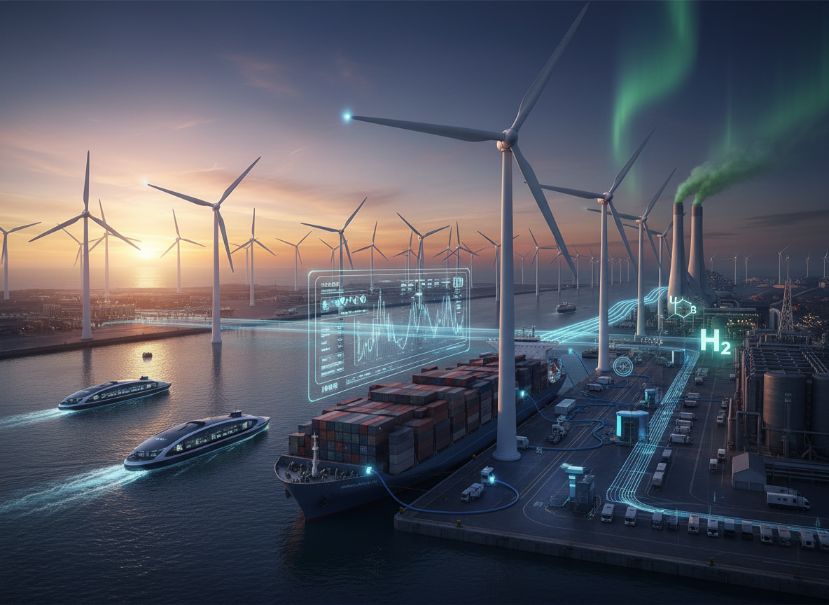
Accurate power generation forecasting also supports grid planning, energy trading, and reliable offshore wind operations.
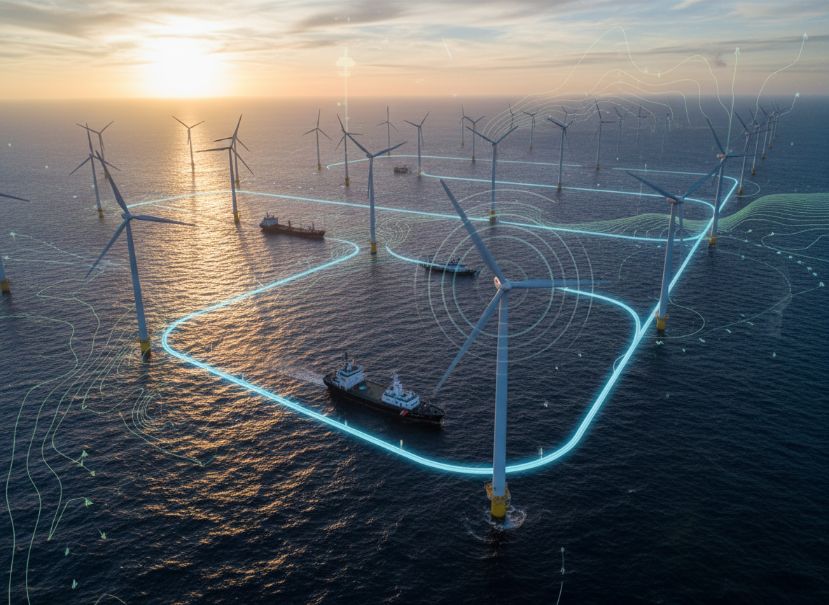
The tools can also assess the structural behaviour and long-term fatigue of floating wind platforms under dynamic ocean conditions. Beyond offshore energy development, offshore wind can indirectly support maritime decarbonisation by enabling shore power, port electrification, and the production of green fuels such as hydrogen and ammonia for shipping.
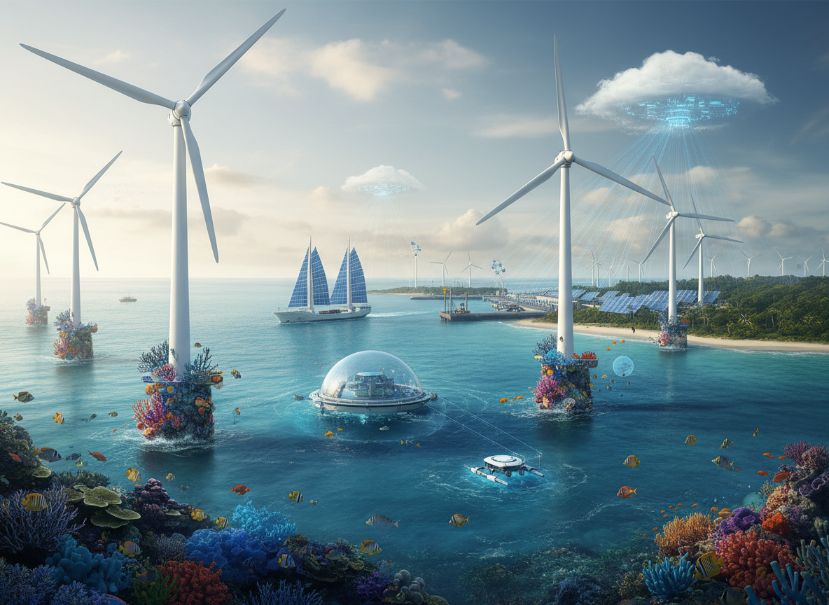
In addition, the technology can support safe navigation near wind farms, evaluate potential impacts on radar and communication systems, and contribute to environmental impact assessments, ocean research, and broader maritime planning.
Related Tech Offers
related products
-
Method of Continuous and Quasi Continuous Forward Osmosis (FO) Desalination
by pixart$0.00 Add to Cart -
Tools for Smarter and Safer Maritime Fuel Operations
by pixart$0.00 Add to Cart -
A Knowledge Driven Data Analytics System for Adaptive Intelligence Energy Management of Smart Buildings
by pixart$0.00 Add to Cart -
A Compact, Hybrid Sunlight Delivering System
by pixart$0.00 Add to Cart